
Gisela Coleman · 10 September 2026
Navigating Domain Shifts and Their Ripple Effects on Niche Platform Authority
Domain shifts occur when websites transition from one domain name to another, whether through rebranding, technical migrations, or strategic TLD changes, and these moves create measurable effects on authority signals that niche platforms rely upon for visibility. Observers note that such transitions often trigger adjustments in how search engines evaluate trust, relevance, and link equity across the new structure, while data from industry reports shows that indexing delays and ranking fluctuations frequently follow in the initial weeks after migration.
Researchers have documented cases where niche platforms in specialized verticals experience temporary drops in organic reach because historical authority tied to the original domain does not transfer instantaneously, yet careful implementation of redirects and content mapping can mitigate some of these disruptions over time. Those who've studied large-scale domain changes across multiple sectors point out that the ripple effects extend beyond rankings to include shifts in referral traffic patterns and user engagement metrics that platforms must track closely during the transition period.
Core Mechanisms Behind Authority Transfer
Search engines evaluate domain authority through a combination of backlink profiles, content consistency, and historical performance data, so when a shift takes place the algorithms must reprocess these signals under the new domain identity, and this reprocessing phase can last several weeks or months depending on crawl frequency and site size. Studies from academic institutions indicate that platforms maintaining comprehensive sitemap updates and server-side redirect chains experience faster stabilization of key metrics compared to those relying on partial or delayed implementations.
Backlink signals represent one of the most sensitive elements during domain shifts because external sites pointing to the old domain may not automatically update their references, which creates a temporary dilution effect that platforms address through targeted outreach campaigns and link reclamation efforts. Evidence from monitoring tools reveals that niche platforms with high domain authority scores prior to migration often recover faster when they preserve URL structures and maintain topical relevance across migrated content.
Observed Patterns in Niche Platform Performance
Platforms operating in specialized markets such as hobbyist communities or technical forums frequently report that domain changes coincide with measurable changes in how their content appears in localized search results, and this occurs because regional indexing systems require additional time to reconcile the new domain with established geographic signals. Data indicates that September 2026 brought updated crawler behaviors from major engines that placed greater emphasis on redirect chain efficiency, leading some platforms to accelerate their migration timelines in response to these technical adjustments.
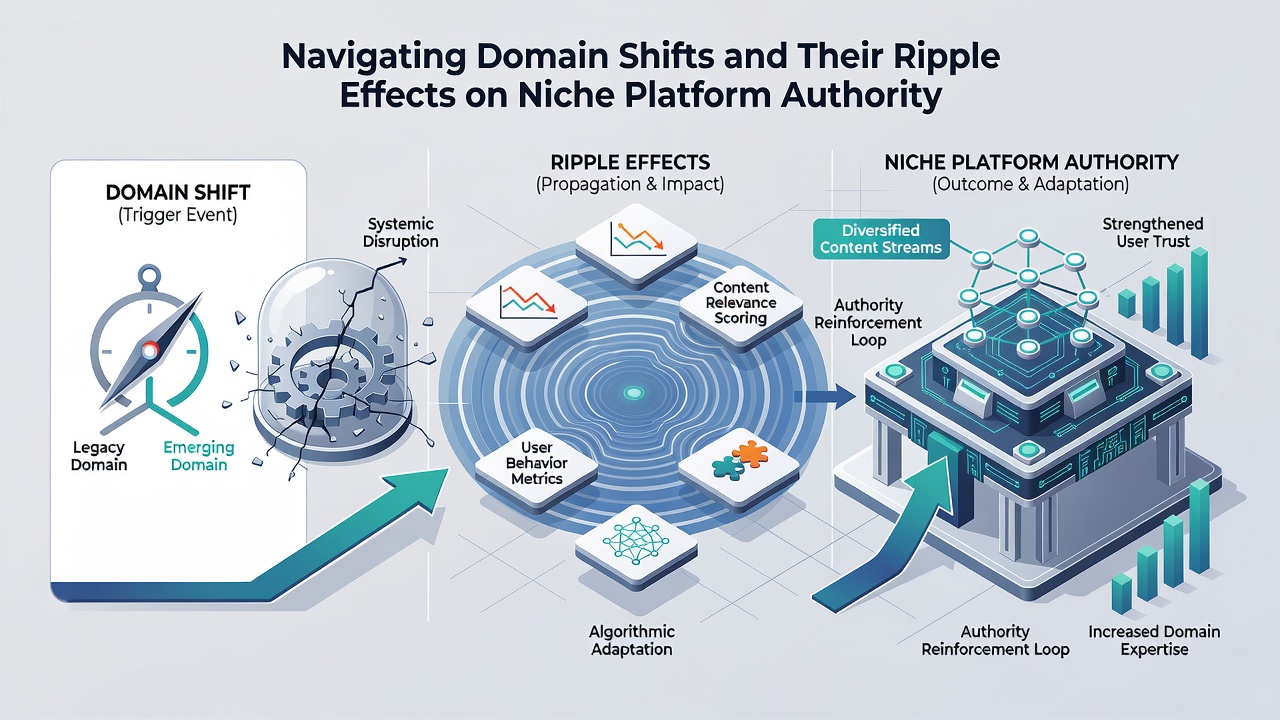
Case examples from multiple industries demonstrate that platforms which conducted thorough pre-migration audits of their backlink profiles were better positioned to maintain steady referral flows, whereas those skipping these steps encountered prolonged periods of reduced visibility in competitive search landscapes. What's notable is how smaller niche sites sometimes leverage domain shifts as opportunities to consolidate fragmented content and strengthen internal linking architectures that support long-term authority building.
Strategic Approaches to Minimizing Disruptions
Experts recommend phased migration strategies that begin with low-traffic sections of a platform before expanding to core content areas, allowing teams to identify and resolve indexing issues in controlled environments before they affect primary revenue channels. According to reports from the Australian Communications and Media Authority, platforms that publish transparent migration notices and maintain consistent user communication tend to retain audience trust during the transition window.
Technical teams often implement parallel monitoring systems that track both old and new domain performance simultaneously, and this dual-view approach enables quicker detection of crawl errors or authority leakage that might otherwise go unnoticed until rankings have already shifted. Research from university-led web studies shows that combining structured data markup with updated canonical tags helps search engines understand the relationship between predecessor and successor domains more accurately.
Longer-Term Implications for Platform Ecosystems
Over extended periods, domain shifts can influence how niche platforms compete within their categories because sustained authority recovery depends on ongoing content freshness and external endorsement patterns that evolve independently of the migration itself. Platforms that treat the change as a one-time event rather than an ongoing optimization process frequently encounter secondary dips when algorithm updates coincide with incomplete recovery phases.
Industry organizations tracking digital infrastructure trends have noted increasing use of subdomain strategies as interim solutions that allow testing of new branding without committing full authority transfer until performance data confirms stability. This approach appears in documentation from various technical working groups focused on web architecture standards.
Conclusion
Domain shifts continue to present both challenges and opportunities for niche platforms seeking to maintain or grow their authority positions within competitive search environments, and the effectiveness of any given migration ultimately rests on meticulous planning, consistent execution, and persistent post-migration monitoring. Those managing these transitions benefit from staying informed about evolving crawler priorities and adapting their processes accordingly as the digital landscape develops.