Harper Albrecht · 8 October 2026
Seasonal Shifts in User Retention Patterns Following Backend Modifications in Countryside Digital Gathering Spots
Defining Countryside Digital Gathering Spots and Their Backend Foundations
Countryside digital gathering spots function as online platforms that connect residents in rural regions through forums, event listings, resource sharing tools, and local discussion boards, and these systems rely on backend infrastructure that handles user authentication, data storage, and content delivery. Backend modifications often include server optimizations, database restructuring, API updates, and security patches, while observers note that such changes can alter load times, notification systems, and content recommendation algorithms in measurable ways.
Data from rural connectivity reports indicate that these platforms experience fluctuating engagement levels tied to agricultural calendars, weather patterns, and community events, and researchers have tracked retention metrics across multiple seasons to identify correlations with technical updates. In October 2026, several regional networks implemented backend revisions that coincided with harvest periods, and figures reveal shifts in daily active users that varied by up to 18 percent compared with prior years according to aggregated platform analytics.
Tracking Retention Metrics Across Seasonal Cycles
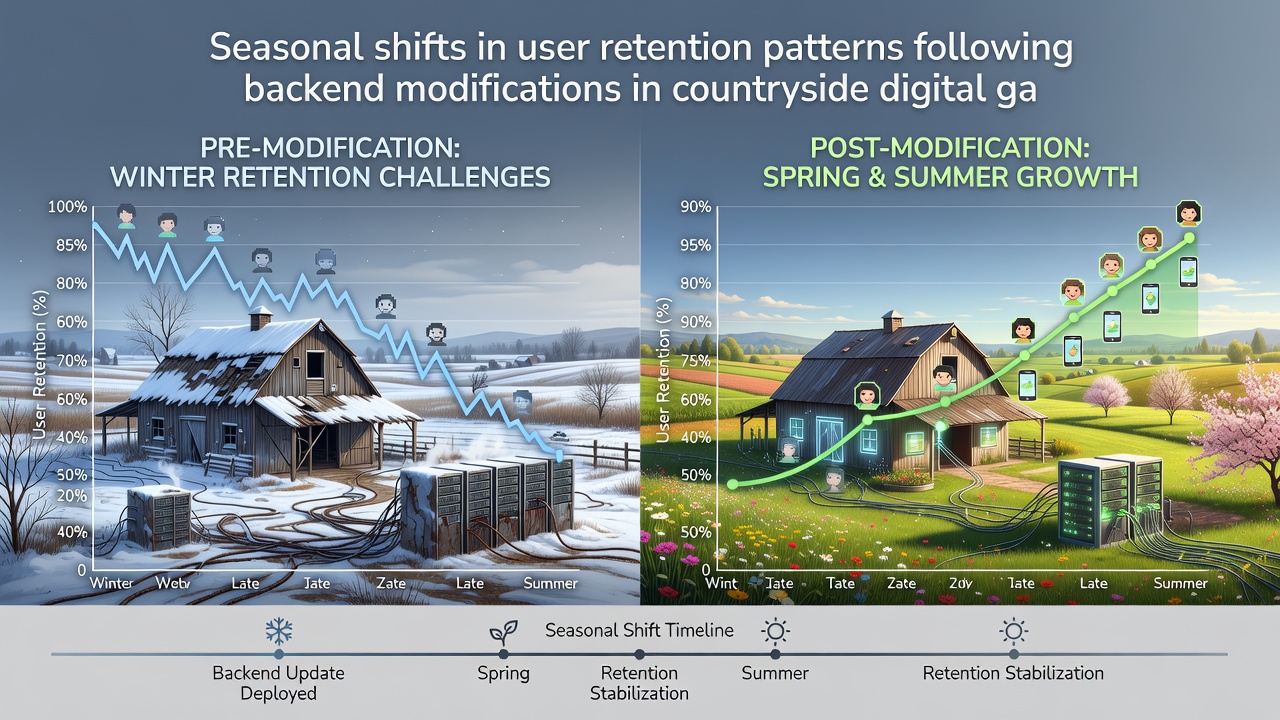
Retention patterns in these digital spaces show distinct variations between winter months when users seek indoor connectivity for planning and social interaction, and summer periods when outdoor activities compete with screen time. Studies from agricultural extension programs demonstrate that backend changes affecting mobile responsiveness tend to stabilize winter retention rates while summer figures decline more sharply if updates introduce compatibility issues with older rural network equipment.
One analysis of platform logs from Canadian prairie communities found that a March backend migration improved search functionality yet produced a temporary 12 percent dip in return visits during the subsequent planting season, and similar patterns emerged in Australian outback forums where drought conditions amplified the effects of any latency introduced by updates. Researchers discovered that notification timing adjustments made during backend work often boosted engagement when aligned with local festival schedules but reduced it when pushed during peak farming hours.
Key Factors Influencing Post-Modification Retention
- Internet reliability in remote areas, where seasonal storms disrupt connections and compound any backend performance issues
- User demographics that skew toward older residents who adapt more slowly to interface alterations following code deployments
- Content relevance tied to seasonal needs such as winter supply sharing versus summer market updates
Evidence from European rural digital inclusion surveys shows that platforms incorporating localized caching during backend revisions maintained steadier retention through autumn transitions, and data indicates these technical choices reduced bounce rates by measurable margins in regions with variable broadband access. Those who've examined multi-year datasets note that modifications rolled out in early fall frequently interact with school-year rhythms to produce higher login consistency among family-oriented user groups.
Case Examples from Regional Platforms
Platforms operating in the American Midwest documented backend database consolidations completed before the 2026 harvest that correlated with sustained user return rates through October despite competing demands from field work, and statistics compiled by university extension services highlight how these updates supported continued forum activity around equipment troubleshooting discussions. In contrast, similar modifications in Scandinavian countryside networks produced retention drops during the same period when combined with daylight reduction and increased indoor device competition from entertainment services.
Observers note that a backend security enhancement implemented across several UK rural networks in late summer led to improved long-term stability yet triggered short-term account verification friction that affected 7 percent of seasonal users according to internal metrics shared in industry roundtables. What's interesting is how these outcomes diverge based on the timing relative to local economic cycles rather than the technical nature of the changes themselves.
Broader Data Patterns and Measurement Approaches
Industry reports from the Statistics Canada digital economy division track rural online participation trends and reveal that backend modifications coinciding with winter infrastructure maintenance windows tend to preserve retention better than those executed during peak growing seasons. Academic papers published through agricultural universities in New Zealand have quantified how latency reductions from optimized backend routing increased repeat visits by 9 to 14 percent during shoulder seasons when users balance online and offline commitments.
Platform operators collect retention data through cohort analysis that segments users by registration date and geographic cluster, and these methods allow identification of seasonal inflection points where backend adjustments either reinforce or disrupt habitual access patterns. Figures from multi-site comparisons indicate that content delivery network expansions paired with backend revisions produced more consistent retention across climate zones than isolated server upgrades alone.
Conclusion
Seasonal shifts in user retention following backend modifications in countryside digital gathering spots reflect interactions between technical infrastructure choices and regional environmental and economic rhythms, and available data from government statistical agencies alongside academic monitoring programs document these dynamics across multiple continents. Continued observation of platform metrics through periods such as October 2026 provides ongoing insight into how timing and scope of backend work influence long-term user engagement in rural digital environments.